KleerCard Features

Sales Tax Refunds Made Simple

Now nonprofits can manage sales tax refunds directly inside KleerCard, without spreadsheets or manual filing.

Person pressing a key on a laptop keyboard with floating digital text and icons reading 'Tax Refund' above the keyboard.

Sales Tax Refunds With KleerCard: What You Get

0
1
2
3
4
5
01

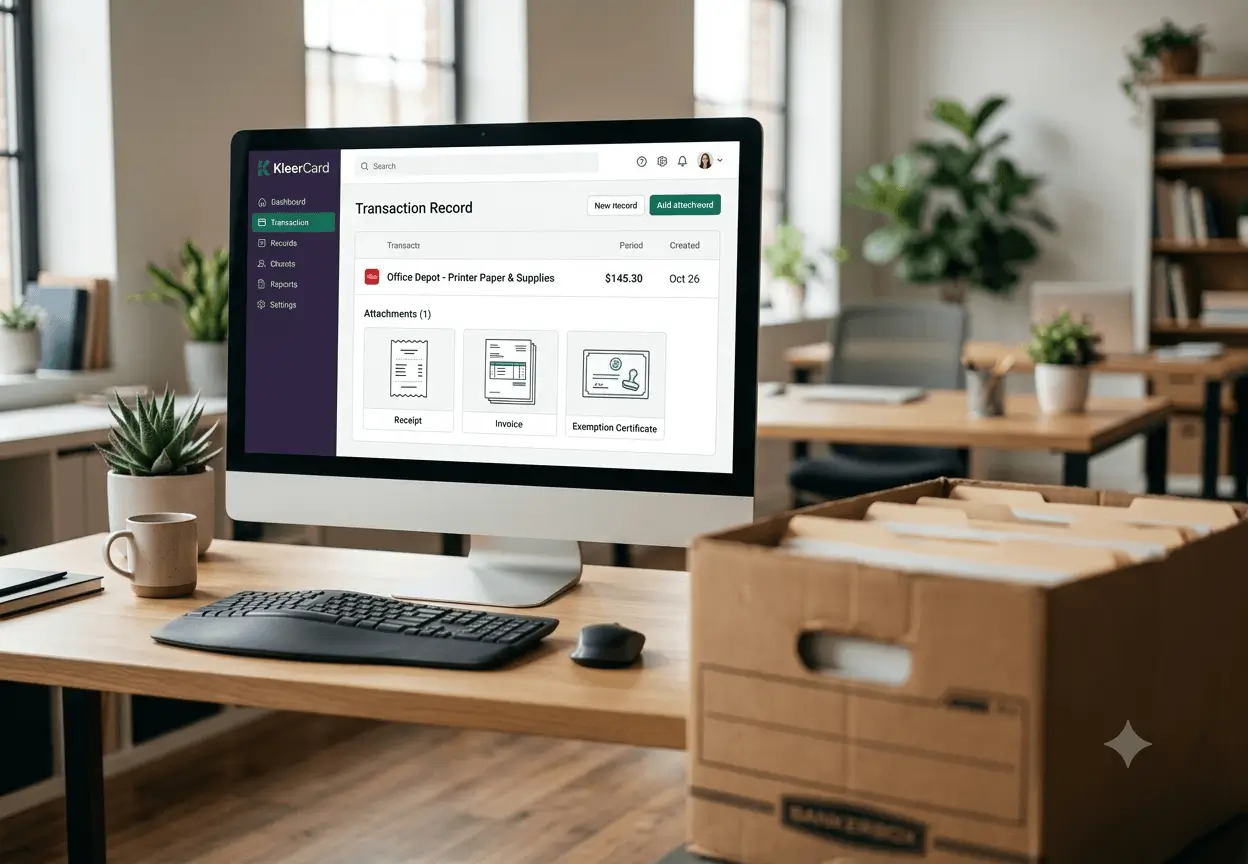
Centralized refund documentation

Every original transaction includes the receipt, invoice, and supporting documentation needed for a refund claim, all stored electronically in one place. This reduces time spent searching for documents across multiple systems.
02

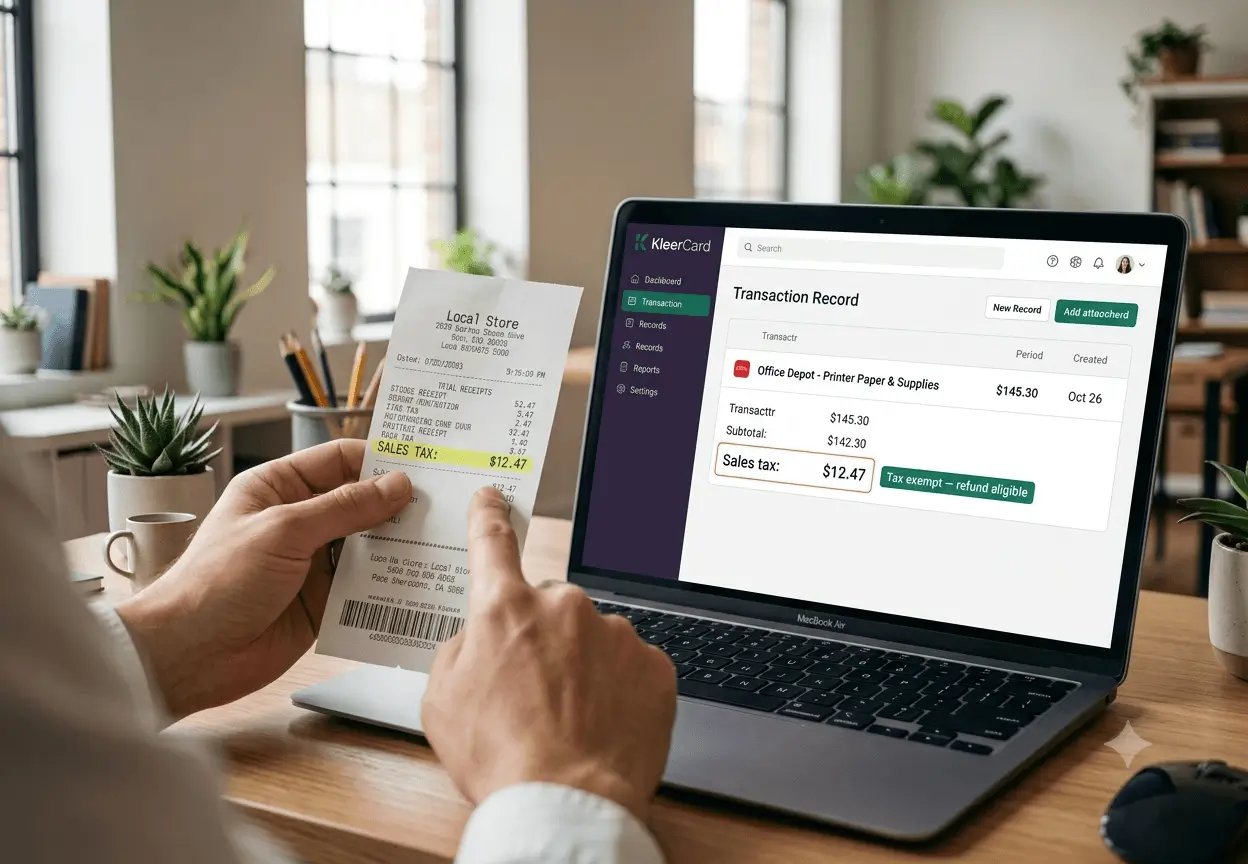
Clear proof of tax paid

Sales tax, tax type, taxable status, and payment details are tied directly to each purchase, making it easy to prove overpaid sales or use tax. This creates confidence when submitting refund requests.
03

Faster refund requests

When filing a refund application, finance teams already have the required documents, dates, and transaction records ready to submit. This shortens the overall refund process.

04

Organized records for audits

All refunded tax records remain accessible for future reference, audits, or follow up requests from the department of revenue. Nothing is lost or misplaced over time.

04

Fewer errors and denied claims

Accurate documentation reduces errors that often lead to denied refund claims or requests for additional information. This improves approval rates and reduces delays.
Created With Nonprofits in Mind

KleerCard serves nonprofits and churches, and we know that sales tax refunds are especially important for exempt and governmental entities that regularly overpay tax.

Arrow Icon

Supports tax exemption compliance

KleerCard helps organizations document exemption status and identify taxable sales where sales tax was paid in error. This protects organizations from repeated overpayment.

Next Icon

Simplifies refund claims across purchases

Whether the purchase involves tangible personal property, motor vehicles, or services, documentation stays connected to each transaction. Finance teams can file claims with confidence.

Cicle Icon

Reduces administrative workload

Finance teams no longer chase receipts or invoices when preparing a claim for refund or amended tax return. Staff can focus on higher value financial work.
Arrow Icon

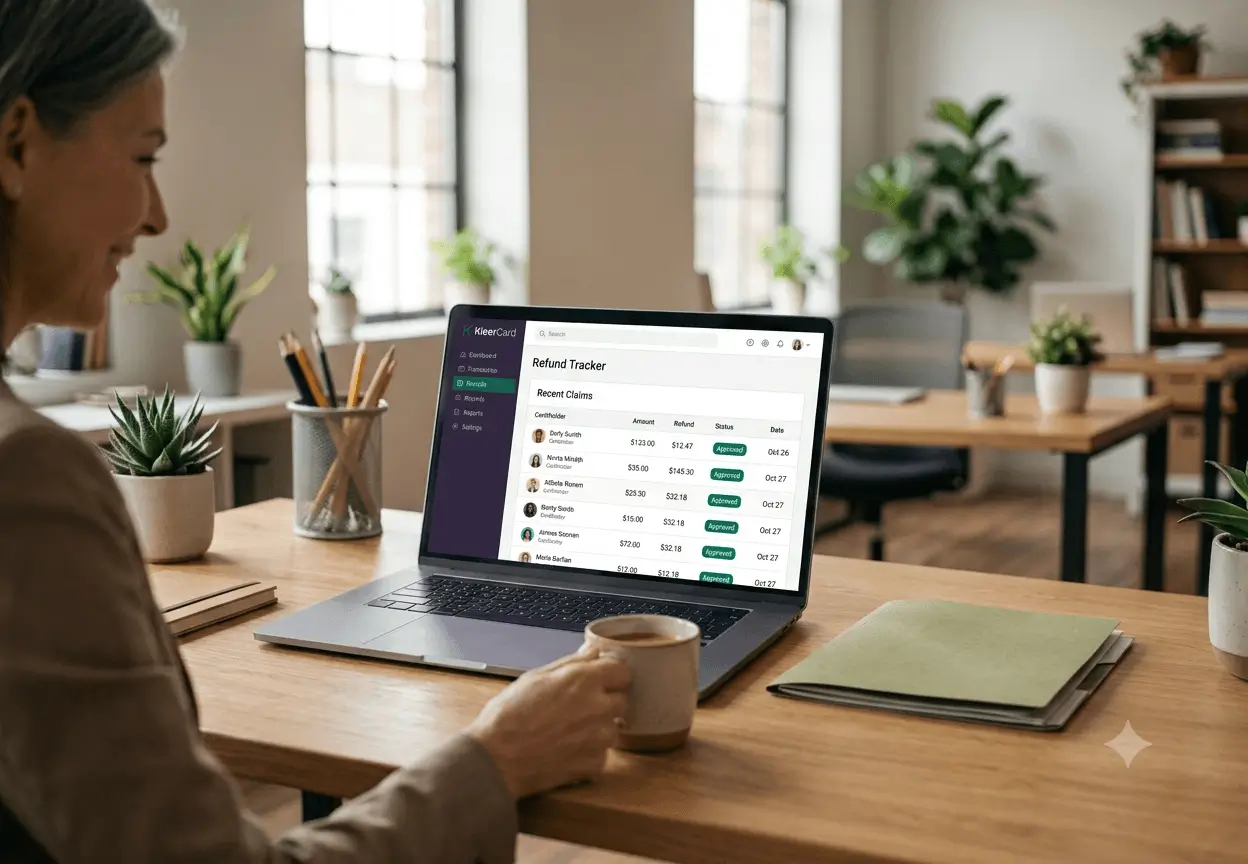
Improves refund tracking visibility

Track refund requests by date, tax type, and transaction so nothing slips past the statute of limitations. This helps organizations recover more tax over time.
Next Icon

Helps meet filing deadlines

Clear records make it easier to submit refund requests within the required time limit, often three years from the original transaction. Missed deadlines become less common.
Cicle Icon

Creates transparency for leadership

Boards and leadership teams can see which refunds were requested, approved, denied, or reimbursed. This supports stronger financial oversight.

Next Icon

Keeps long term records secure

Refund documentation remains stored digitally, reducing reliance on paper files and personal inboxes. Records stay accessible for years.

Cicle Icon

Scales across multiple departments

Whether filing on behalf of one ministry or many, refund records stay clean and consistent. Growth does not add complexity.


Start Recovering Sales Tax Refunds

Stop leaving refunded tax dollars behind.

Schedule a demo

Thank you! Your submission has been received!
Oops! Something went wrong while submitting the form.

Frequently asked questions

What are sales tax refunds and who can claim them?

Sales tax refunds allow a taxpayer to recover sales or use tax that was paid in error on a purchase. Nonprofits, governmental entities, and other exempt organizations often qualify when tax was paid on items with exempt or non taxable status. Refund claims commonly apply to tangible personal property, services, or motor vehicles where sales tax should not have been collected. The refund process typically requires proof of payment, supporting documentation, and a completed application form. Filing on time is important since most states impose a statute of limitations, often three years.

What documentation is required for a sales tax refund claim?

A refund claim usually requires receipts, invoices, proof that tax was paid, and documentation showing the taxable status of the original transaction. Many departments of revenue also require a completed refund application and additional information such as seller details, purchase date, and tax type. KleerCard stores receipts and documentation electronically so required documents are easy to retrieve. This reduces errors that can cause a refund request to be denied. Keeping complete records also helps if the department contacts you for follow up or clarification.

How does KleerCard help with the refund process?

KleerCard connects receipts, invoices, and payment records directly to each purchase, creating a clean record for refund of sales or use tax. Finance teams can quickly gather documentation needed to submit a claim for refund without searching across systems. This improves accuracy when completing the application form and reduces missing information. Organized records also make it easier to amend a sales tax return if required. The result is a smoother refund process with fewer delays.

Is there a time limit to request a sales tax refund?

Yes, most states require refund requests to be filed within a specific time limit, often three years from the date the tax was paid. Missing the due date can permanently forfeit the refund, even if tax was overpaid. KleerCard helps teams track original transaction dates and refund requests so deadlines are easier to manage. This visibility reduces the risk of missing filing windows. Clear records also help support claims filed near the end of the statute period.

What happens if a refund claim is denied?

Refund claims are commonly denied due to missing documentation, incorrect tax type, or insufficient proof that tax was paid. When this happens, the department may request additional documents or issue a denial notice. KleerCard reduces these issues by keeping required documentation complete and organized from the start. This makes it easier to respond, appeal, or resubmit a corrected refund application. Better records improve the chance of approval.

Can refunded tax be tracked after submission?

Yes, finance teams can track refund requests alongside the original transaction and supporting records. This makes it easier to follow up if a refund check is delayed or additional information is requested. Tracking also helps confirm when tax is reimbursed and recorded correctly. Maintaining these records supports accurate reporting and future audits. KleerCard keeps everything centralized for long term reference.

Does this replace filing a sales tax return?

No, KleerCard does not file sales tax returns or submit refund claims on your behalf. Instead, it supports the process by organizing documentation, receipts, and proof of payment. This makes preparing a refund request or amended return faster and more accurate. Finance teams remain in control of filing. KleerCard simply removes friction from the process.