%202.svg)
Pay approved rent, groceries, and emergency needs from the designated fund without mixing them onto the shared office card.


Benevolence spend is money the church pays to meet a documented need: rent, utilities, groceries, medicine, or a car repair that keeps someone employed. The church decides the recipient under a written policy.
Designated-gift spend is money already tagged to a purpose the donor or the board named: benevolence, missions, a building project, a scholarship, a youth camp. If the board created the designation, the board can lift it. If a donor restricted the gift, the church cannot move it to another purpose without the donor’s agreement.

.avif)
.avif)


Unlike most business credit cards, KleerCard combines powerful expense management software with the flexibility of both physical and virtual cards.
Track everyday purchases like office supplies and online purchases from Amazon, set custom card limits, and monitor your church's spending patterns with real time visibility.
All with pricing built for churches of all sizes and no need for a personal guarantee.


Unlike most business credit cards, KleerCard combines expense management software with physical and virtual cards, plus accounting software.
Issue a card for one approved grocery run, lock it to grocery merchants, cap it at $180, and attach the receipt before the next swipe. Rent and some utilities issue a check or ACH. Everything is tagged and reported appropriately.
One card per approval. KleerCard can issue a number for the approved $180 instead of handing someone the office card that also buys toner. The next grocery run declines when that approval is gone.
Merchant and time limits on the card. Groceries only. Fuel only. One named pharmacy. A seven-day window for an emergency need. A missions-gift card can work during a trip and then lock.
Receipts attached to the charge. The cardholder photographs the slip before it hits a coat pocket. If the photo is missing after a set number of days, the card can stop working until the receipt is attached.


Finance can issue a virtual or physical card for the approved amount instead of sharing the office card. The charge maps back to that request.

Amount, merchant, and date limits sit on the card before anyone swipes it. A benevolence card that also works at a restaurant will buy dinner as easily as milk.
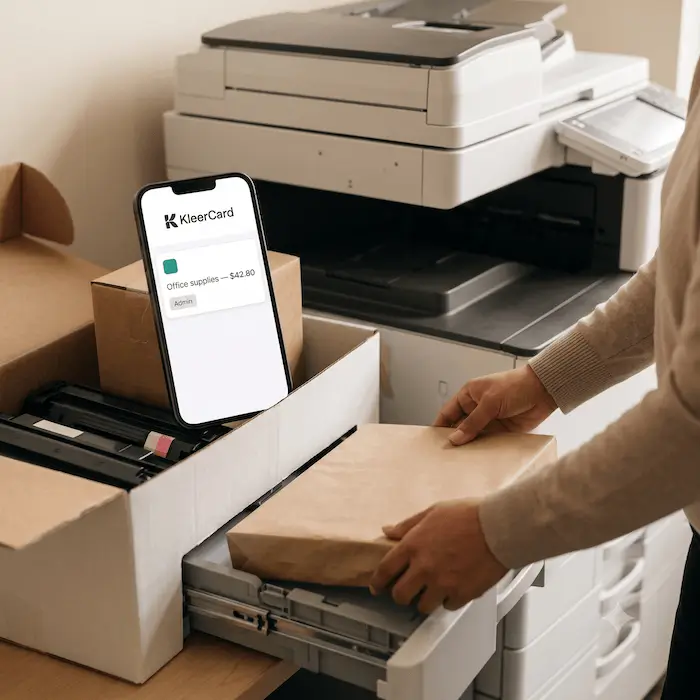
A pastor or deacon card can stay live for after-hours grocery, fuel, or pharmacy purchases if the cap stays small and finance reviews the transaction list against the approval log every week.

The cardholder attaches the photo to the charge. The approval file and the transaction share one record.

Easily code the expense to the benevolence or designated fund. For the fund balance, and for moving that spend out of the restricted column, use church fund accounting.
.webp)
KleerCard was built for churches and nonprofits that need to align spending with its designated purpose without slowing an emergency grocery run.



Load the approved amount, not the church’s full line.

Groceries only. Fuel only. One named utility or pharmacy.

A seven-day card for an emergency grocery need. A trip-dated card for a missions gift.
.avif)
The photo stays with the charge so month-end is not a hunt for slips.


Pay the landlord or the grocer when they will take the payment, and put the receipt on the same file as the approval.