%202.svg)
Set spending limits before anyone swipes. Keep sending-church dollars on purpose.

Church plant spend is the money a new church swipes before launch Sunday and through year one. Kids-closet setup, a used mixer, grocery runs, neighborhood print, gas for the van, extra hours at the school cafeteria.
Those buys usually land on the planter’s personal card, one shared debit card, or a reimbursement the plant will catch up later. The launch team waits. Receipts live in a text thread.
Give the launch team an organization card with a hard limit. Approve the amount that matches that run. Keep sending-church and designated dollars on their own card so the swipe can't hit the general fund.

.avif)
.avif)


Unlike most business credit cards, KleerCard combines powerful expense management software with the flexibility of both physical and virtual cards.
Track everyday purchases like office supplies and online purchases from Amazon, set custom card limits, and monitor your church's spending patterns with real time visibility.
All with pricing built for churches of all sizes and no need for a personal guarantee.


Org-owned cards. KleerCard issues the card to the church, not the planter. Virtual cards cover the Amazon or print order that cannot wait for plastic.
Limits that match the week. Load $200 for hospitality this Sunday, or leave a volunteer card at $0 until a planter or treasurer approves the amount. The next swipe declines when that amount is gone.
Purpose-locked support. Sending-church support and network grants sit on their own card. A grocery run for hospitality cannot spend the kids-closet grant.
KleerCard lets a church plant put launch purchases on org-owned cards without handing over the checking account.
Each card can carry a limit, a merchant lock, and a time window before anyone swipes. The planter, a spouse, the volunteer kids lead, and the setup crew can buy what Sunday needs. Finance sees the charge the same day.
Staffing, rent, and insurance stay on payroll and bill pay. The card’s job is the movable purchase that used to live on a personal Visa. A new church plant with about $40,000 in cash was underwritten on organizational cash, up to 20 percent weekly, with no personal guarantee, and was live after two or three short setup meetings.


Set the cap to the run, not the plant’s full cash. A $1,200 kids-closet card and a $350 print card are safer than one open debit card in a drawer.

Issue a card for the grant’s purpose, not for whoever is driving to the store. Lock groceries, gas, Amazon, or home-improvement when the gift names that use.
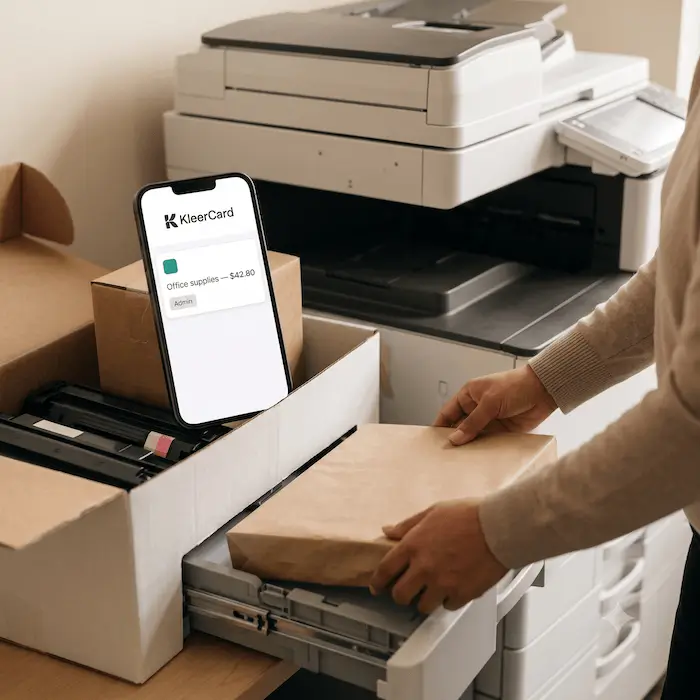
Virtual cards cover the next Amazon or print order the same day. Physical cards mail in 5–8 days, so the first launch-week buys should not wait on plastic.

The buyer photographs the receipt at the register. Paid plans can lock the card if the photo does not arrive.

Pause or disable one card without touching the rest of the launch team. When a volunteer’s run is done, that card stops.
.webp)
KleerCard is built for churches and new 501(c)(3)s that need to buy launch items before they have a finance office. The Free plan holds the limit on deposit in Wallet. The Standard plan is $29 a month for a weekly charge line paid in full. The issuer is The Bancorp Bank, N.A.
Wait if the plant has no EIN and no organization-titled bank account. Thin cash is normal. There is no published cash or revenue floor. A pastor applying in a personal name is not this product. Entity rules live on eligibility.


KleerCard pairs a Visa Commercial card with limits a launch team can use before Sunday exists.

The account sits in the church’s name. Virtual cards work the same day.
.avif)
Match the card to this Sunday’s hospitality, this week’s print, or this closet budget.

Keep support dollars on the purpose the sending church named.
.avif)
The photo stays with the charge instead of a text thread after setup.